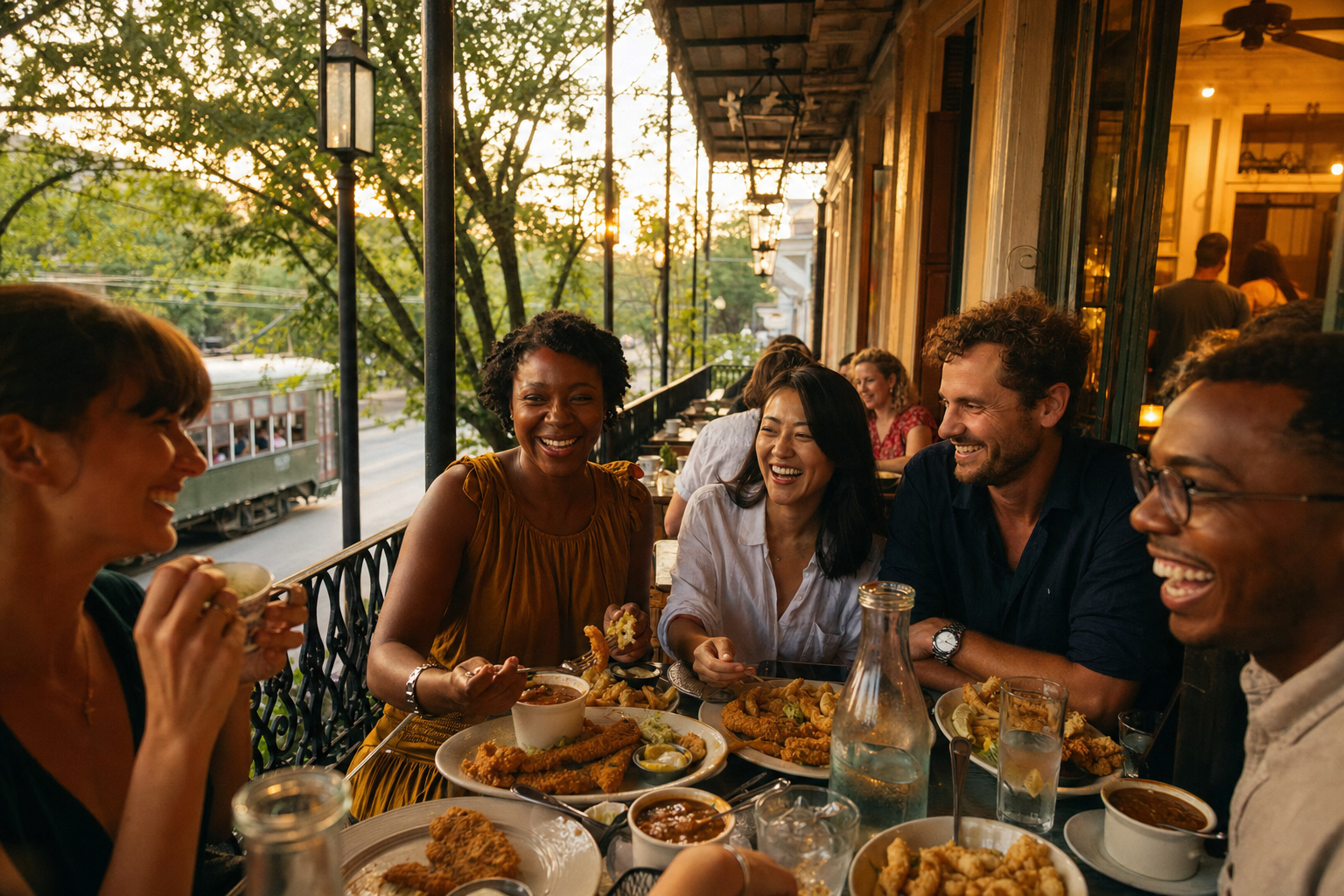
The porch
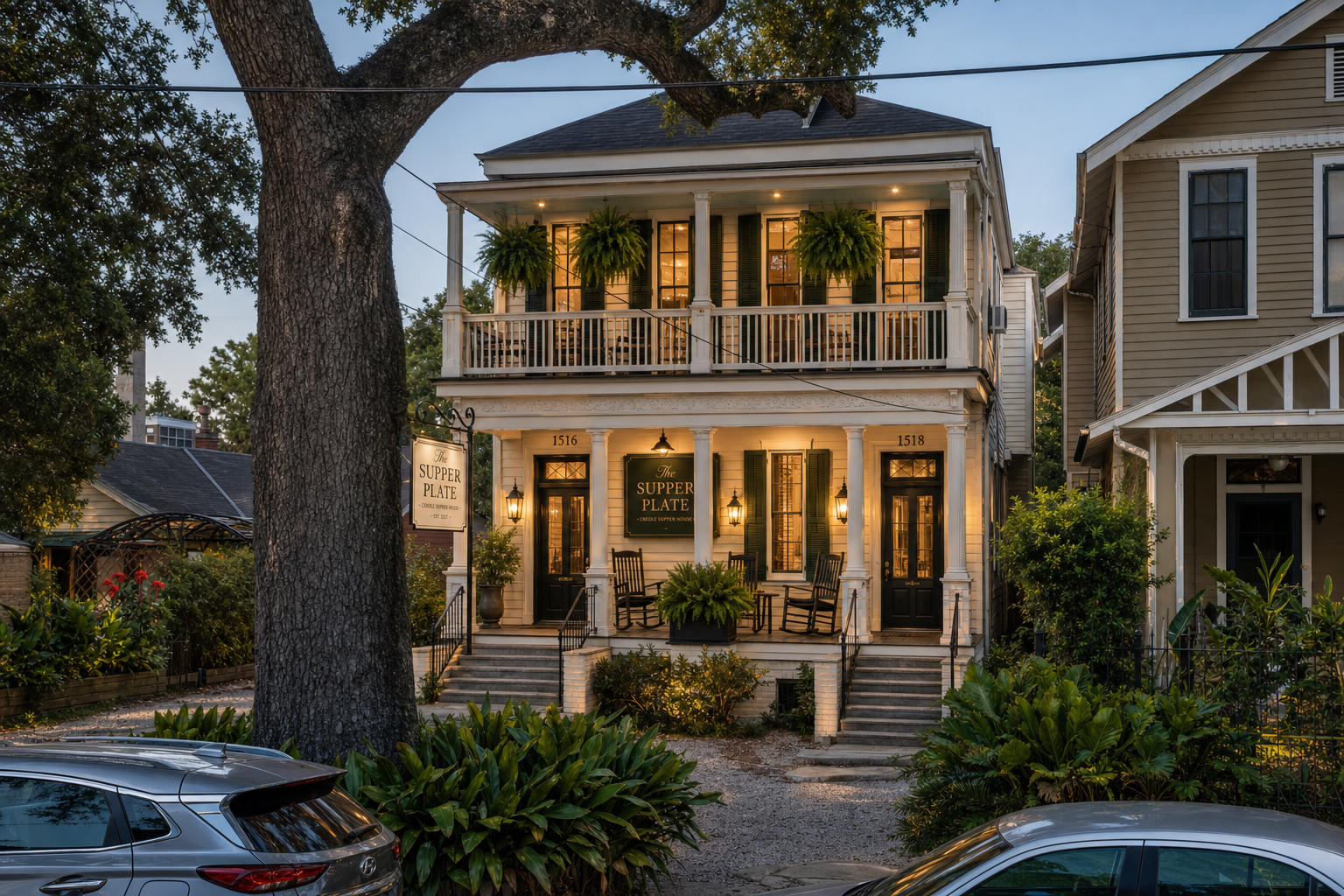
Tables on the gallery, string lights, gas lanterns coming on. Gumbo while the sun goes down. The meal Carrollton was built for.
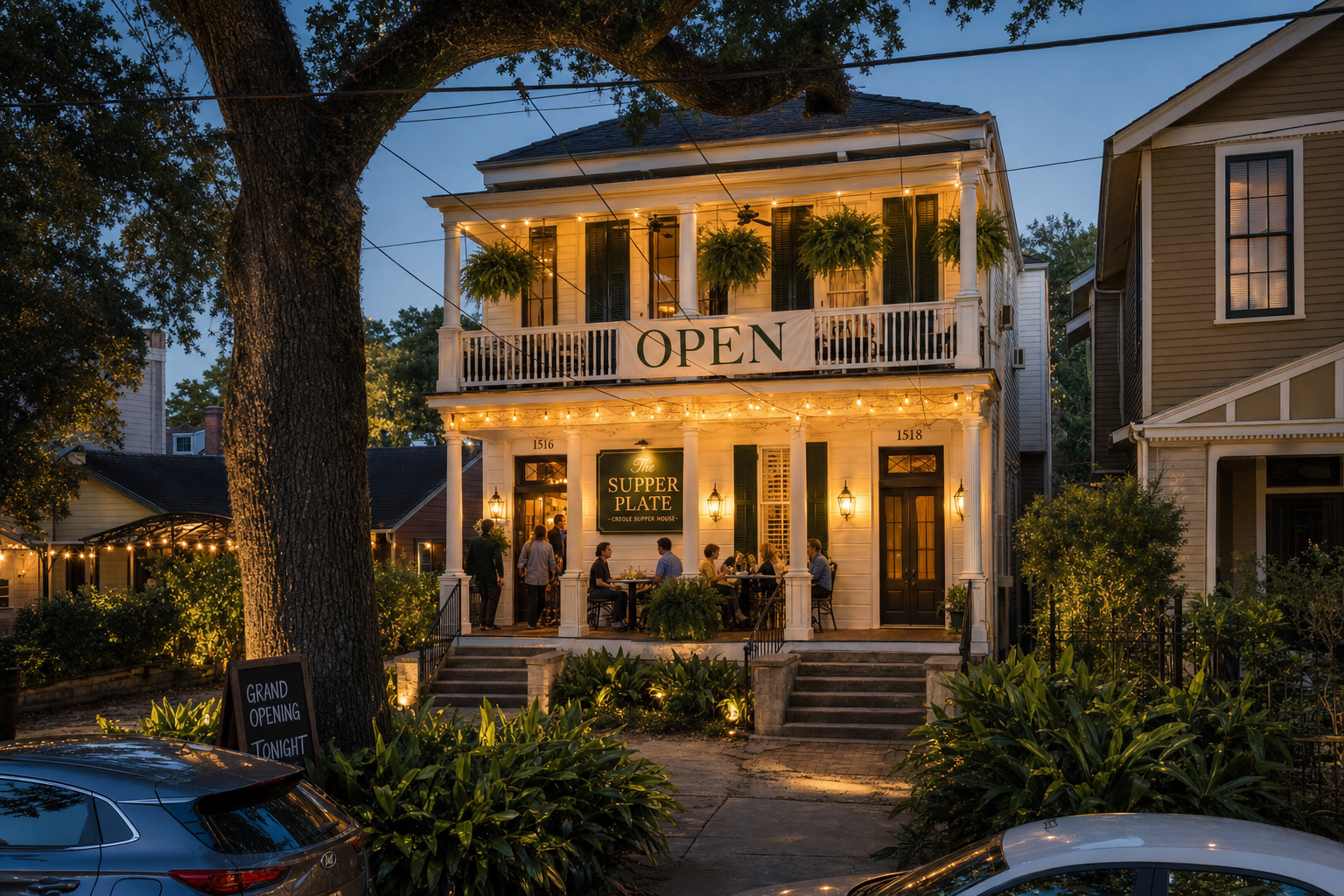
1516 South Carrollton · Open 7 days · Sun 10–4 · Mon–Sat 11–9
Gumbo in a cup. A catfish plate with two sides you picked yourself. Beignets still hot when they hit the table. This is Carrollton supper — full bellies, loud stories, lanterns on at dusk.
This is what it feels like
You hear the streetcar. Somebody's telling a story too loud at the next table. Your plate shows up smoking. You lean back when you're done and you don't want to leave yet. That's the whole point.
Tables on the gallery, string lights, gas lanterns coming on. Gumbo while the sun goes down. The meal Carrollton was built for.
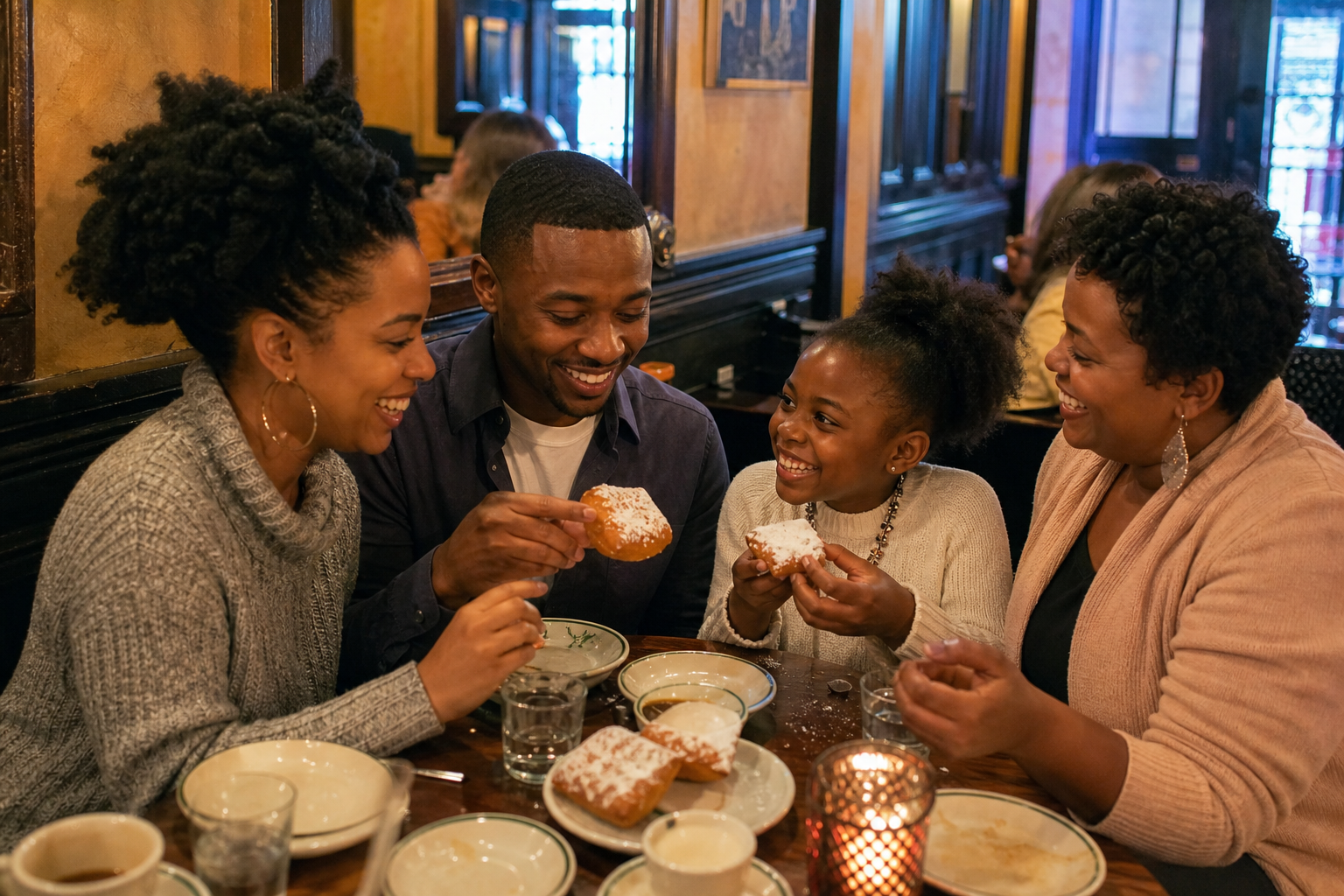
Catfish gone. Sides demolished. Powdered sugar on everybody's shirt. Nobody checking their phone. Just full and happy.
"We came for lunch and stayed through dinner."
"My mama said the red beans taste like hers. That's the highest compliment in this city."
"Order the gumbo and beignets. Trust me."
Why we're here
In New Orleans, love looks like a plate. Meat or fish in the middle. Two sides you choose — mac and cheese, red beans, yams, greens, butter peas, potato salad the golden mustard way. Cornbread to mop it. Gumbo if you're smart. Beignets because life's short.
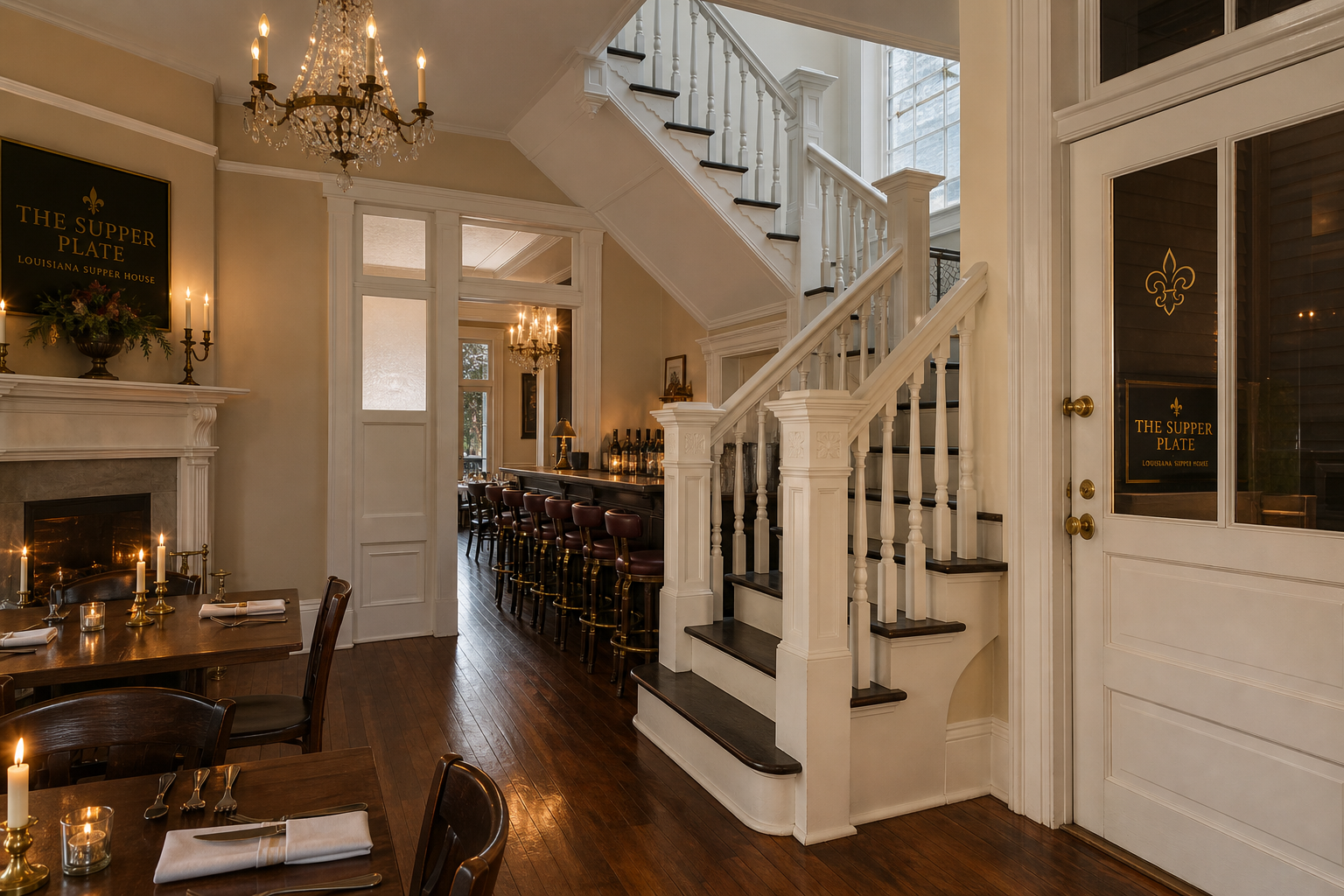
We didn't build a theme restaurant. We opened a 1910 Carrollton double — porch, dining room, courtyard out back — and put Gram's recipes on the menu. Turkey and beef sausage in the red beans. No pork. Fried catfish that crackles. Beignets fried when you order, not sitting under a lamp.
We want you to show up hungry, eat till you're satisfied, sit with your people, and walk out already planning when you're coming back. That's it. That's the whole job.
A good night here
Cup on the table while you're still deciding on sides. Steam in your face. The room loosens up.
Catfish, chicken, turkey wings — your pick. Two sides you actually wanted. Cornbread. Hot sauce if you're bold.
Fried to order. Powdered sugar everywhere. Nobody's in a rush. The porch is still lit.
Pick your spot
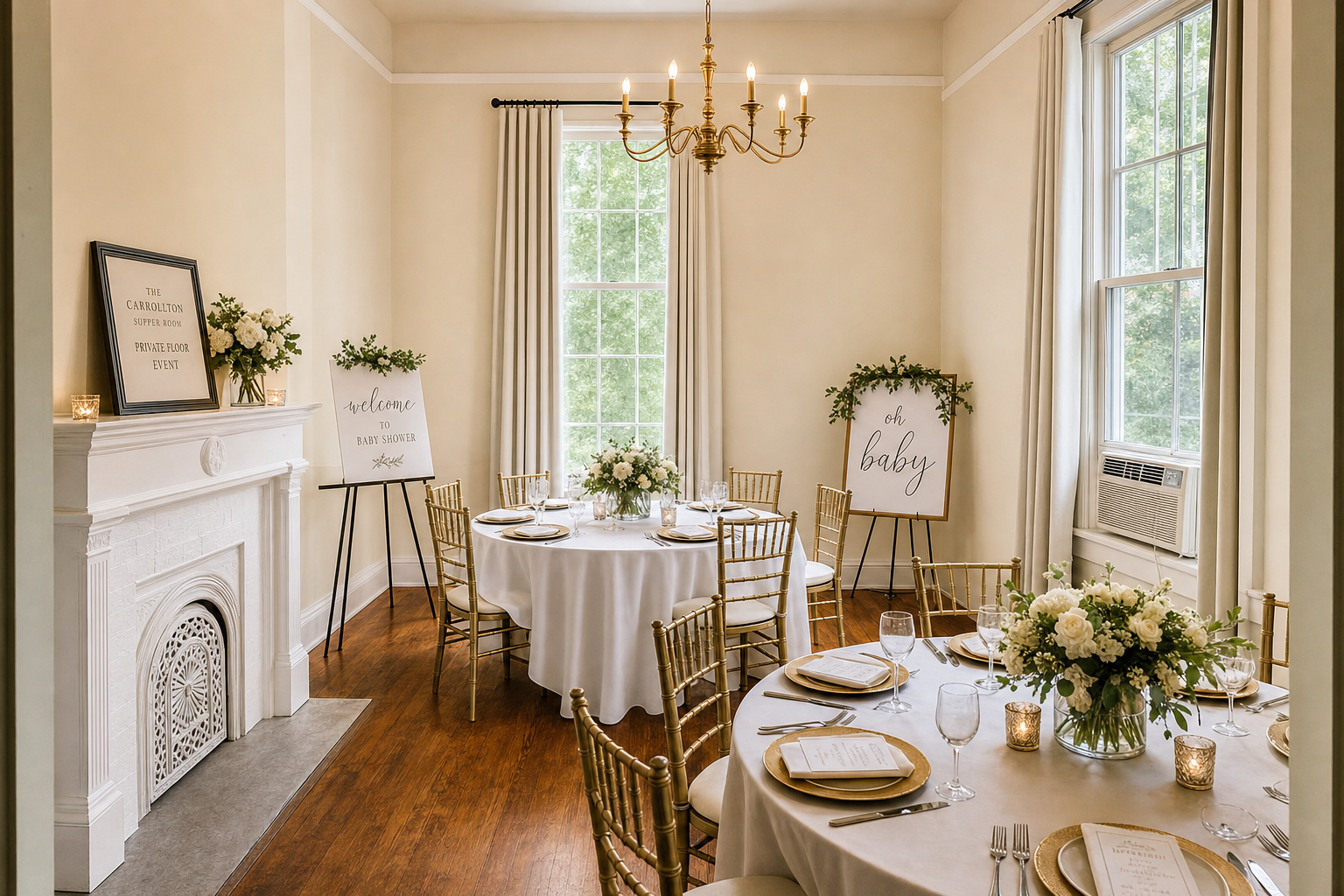
Porch when the weather's right. Dining room when you want the chandelier. Courtyard when you need air. Upstairs when it's your birthday.
Our kitchen · your porch
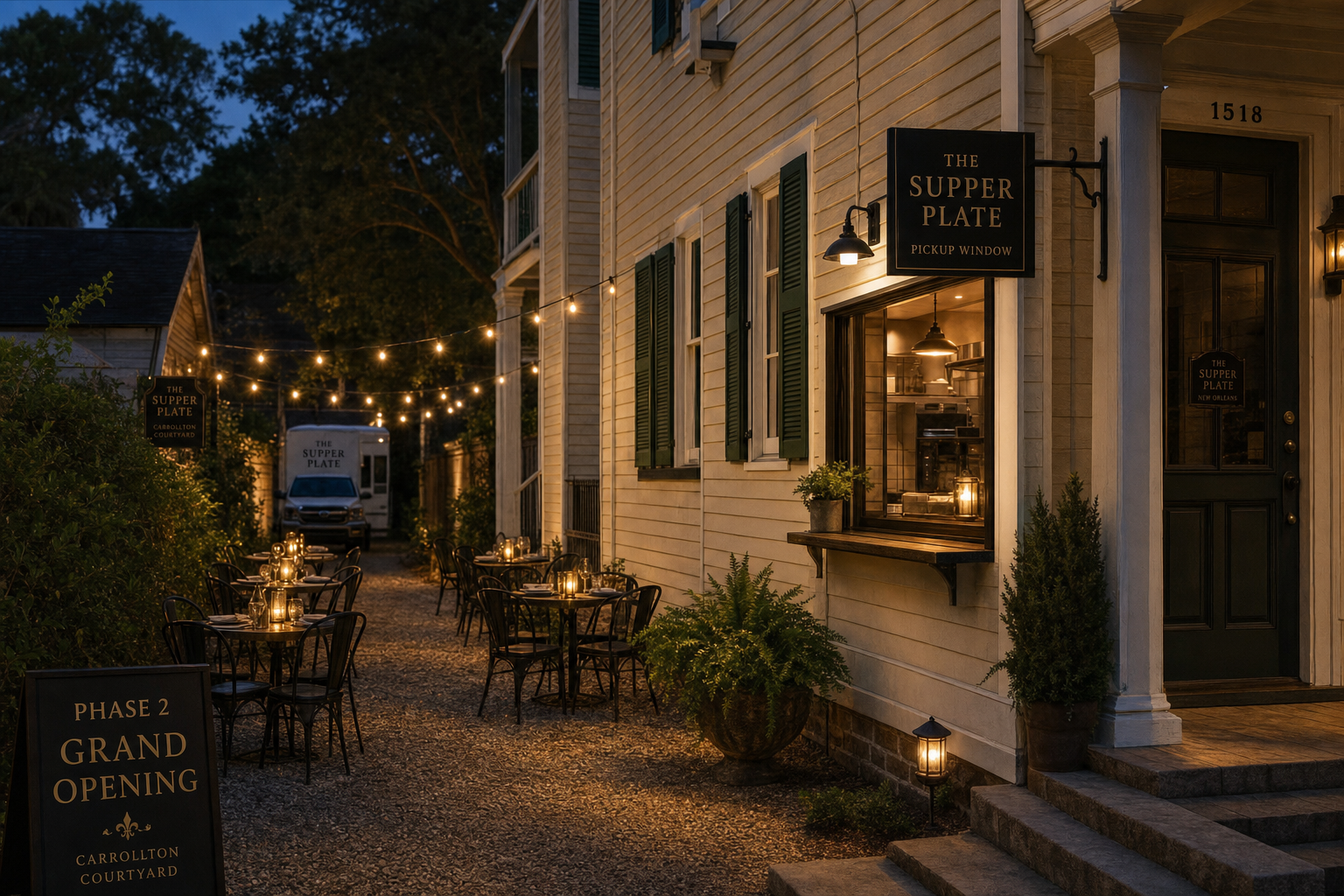
Order ahead from our kitchen — same menu, same prices, zero app markup. Pick up at the porch when we text you it's ready. Phase 1: pickup only · Mon–Sat 11–9 · Sun 10–4 · Delivery drivers coming soon.
Save your spot
Porch table for two. Birthday upstairs in the Carrollton Room. Tuesday lunch with your mama. Tell us what you need — we'll hold the table.
Pick a date — open 7 days · Sun 10–4 · Mon–Sat 11–9
Come see us
Between the streetcar and the oaks. Park on the side drive. Walk up the steps. We'll have a table.
1516 S Carrollton Ave
New Orleans, LA 70118
Streetcar stop right there
Side-drive parking
Reserve for the porch. Order pickup from our kitchen. Same supper — ready at the door.
hello@thesupperplate.com